

Today, we received a phone call that has become painfully familiar.
The caller was moving. The moving truck was already parked outside. They had broken up with their partner, and the cat had nowhere to go.
In that moment, the caller was desperate for an immediate solution. But rescues cannot simply create space because an emergency has reached its final hour. Our rooms are already filled with animals whose families moved, separated, faced financial hardship, had children, developed allergies, or experienced another life change. Every available space represents an animal who is already depending on us.
We understand that life can unravel quickly. Relationships end. Housing falls through. Plans change. We have compassion for people facing difficult circumstances. But before surrendering an animal, we need people to ask themselves a painful question: Do you truly understand what you are doing, and how lost your animal will feel?
You may know why the move is happening. You understand the breakup, the lease, the packed boxes, and the truck waiting outside. Your cat understands none of it.
Your cat only knows that the home they recognized is disappearing. The familiar rooms, smells, routines, and voices are suddenly gone. They are placed in a carrier, handed to strangers, and left in an unfamiliar place filled with frightening sounds and scents. Then they wait for the person they trusted to return.
But that person does not come back.
To you, surrender may feel like one decision made during an overwhelming day. To your animal, it can feel like their entire world has vanished. They do not know what they did wrong. They do not understand why the person they loved left them behind. They may stop eating, hide, cry, tremble, or withdraw completely. Some struggle for weeks or months to feel safe again. Others sit quietly, watching every person who enters, hoping one of them will be the person they remember.
This is why planning must begin before the moving truck arrives.
If there is even a possibility that you may need to surrender an animal, start seeking help immediately. Speak with trusted friends and relatives. Ask whether someone can provide temporary care. Contact your veterinarian, explore pet-friendly housing resources, and reach out to rescues as early as possible. Gather veterinary records, take clear photographs, and allow enough time for a responsible solution to be found.
Waiting until the final hour places the animal in danger and leaves rescues facing an impossible decision. We receive surrender requests every day, often when every room is occupied. Saying we do not have immediate space does not mean we do not care. It means there are physical limits to how many animals we can safely house, feed, medicate, and comfort.
Companion animals are not belongings to be dealt with after the furniture has been loaded. They are family members whose safety must be included in every moving plan, housing decision, and major life change.
Before you surrender your animal, stop and consider what that moment will feel like for them. Look into the face that has trusted you every day. Understand that when you walk away, they cannot be told where you are going or why they cannot come with you.
Please do not wait until you are standing beside a packed moving truck to ask where your cat will sleep that night. Ask for help early. Make a plan. Explore every possible option. Give the people trying to help enough time to find a safe and thoughtful solution.
And please remember that rescues like Famous Fido carry the weight of these emergencies every day. If you can adopt, donate, or help a family keep their animal, you create room for the next desperate call, and you may prevent another frightened animal from losing everything in a single afternoon.
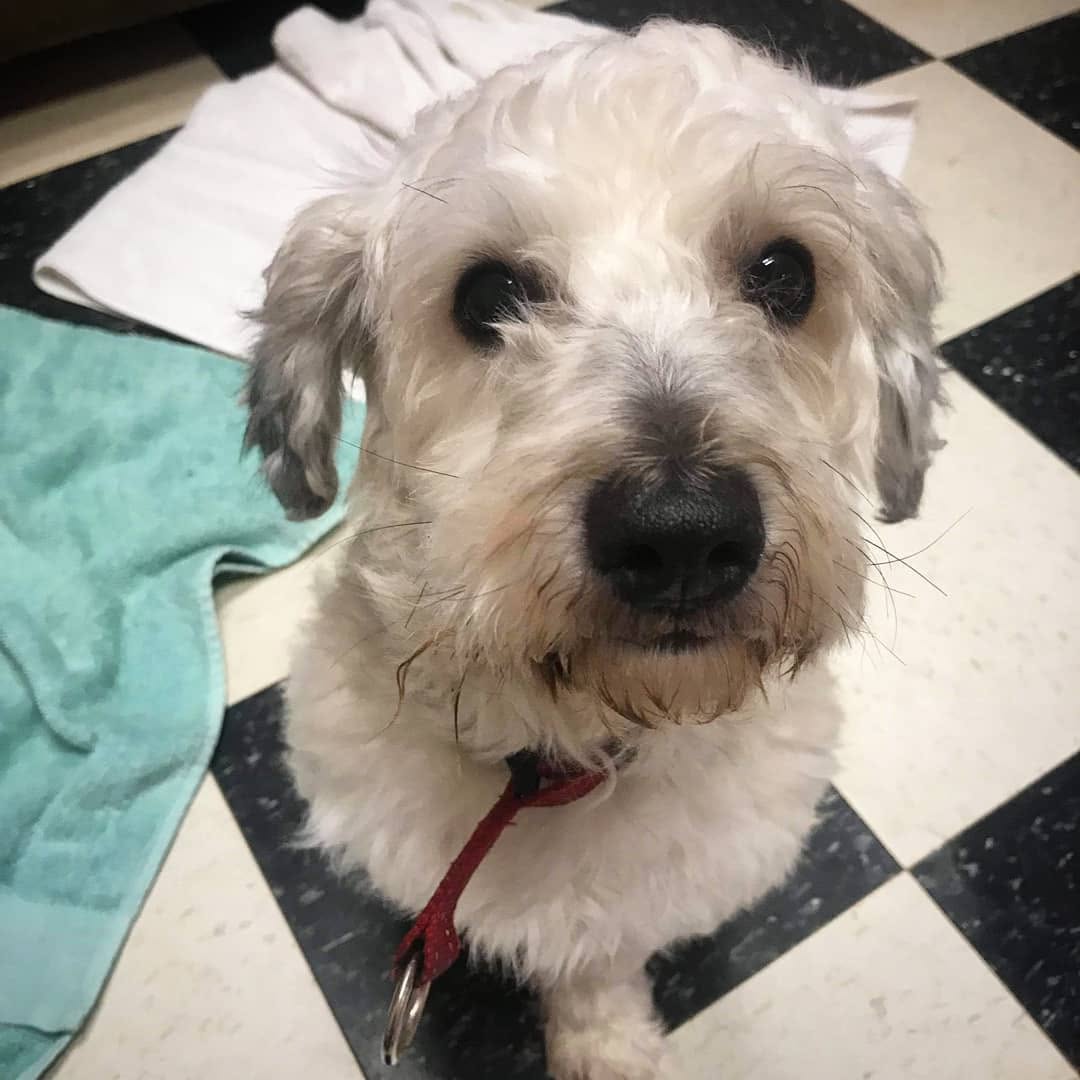
It is not because they are unworthy of love. It is because many of them have already been failed, traumatized, poorly socialized, or passed from one home to another, and now they need far more than someone with good intentions. They need the right person, the right environment, and a commitment that will not disappear […]

There’s a quiet kind of magic in coming home to a space that feels warm, safe, and yours. And sometimes, what’s missing isn’t more space – it’s a heartbeat beside you. At Famous Fido Rescue, we’ve been having a lot of conversations lately with people who feel their apartment might not be “enough” for a […]

There are moments in rescue that sit heavy, the kind you can’t shake, the kind that remind you just how fragile everything is for the animals who end up in the system. This was one of those moments. A call came in from Calumet Animal Control about three dogs on the euthanasia list, not because […]